
table of contents
For decades, Americans have observed Black History Month in February. This year’s Black History Month is especially meaningful, as 2026 marks a century of Black History observations across the United States.
When MSPCC was founded in 1878, the child welfare movement was in its infancy. Our founding came at a time when Black children and families saw significantly worse care and outcomes than white children and families did, in part due to the fact that many systems were specifically designed to exclude them. While the work of supporting the safety and well-being of children and families has made great advancements since then, racial disparities persist in many forms today. We are committed to working toward a world in which these disparities no longer exist.
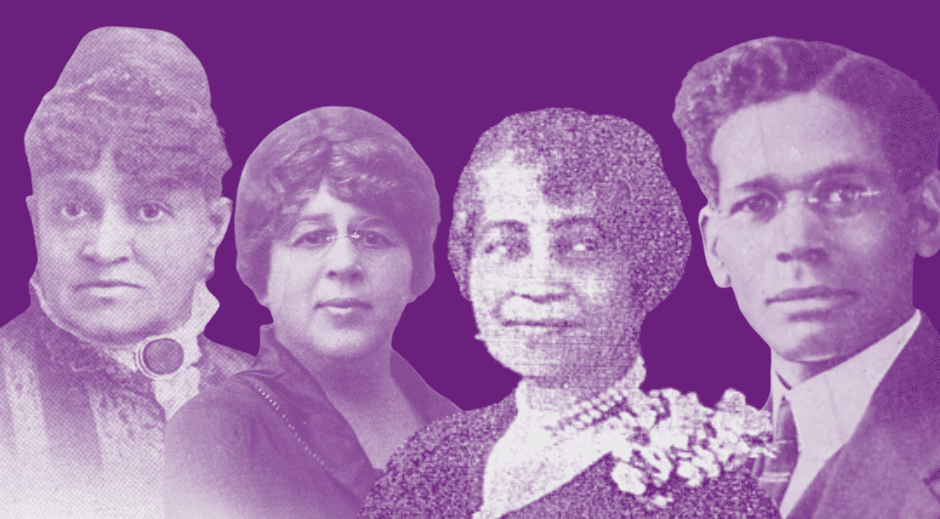
As we look to the future, we pay tribute to Black leaders who paved the way for the work we do today:
 Carrie Steele Logan (1829-1900), a formerly enslaved philanthropist who founded the largest predominantly Black orphanage in the United States. Her gravestone reads, “The Mother of Orphans. She has done what she could.”
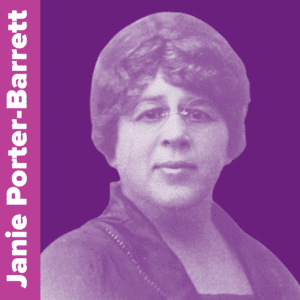 Janie Porter Barrett (1865-1948), an educator and founder of the Industrial Home School for Colored Girls, which served girls who had been involved in the justice system and did not have the option of going to foster homes due to the lack of homes for Black girls.
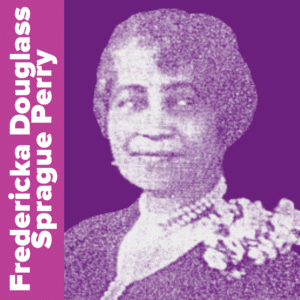 Fredericka Douglass Sprague Perry (1872-1943), granddaughter of Frederick Douglass, who worked to improve health outcomes for Black children in her community of Kansas City, Missouri. Additionally, in her role as a juvenile court worker, Perry advocated for African-American children in the foster care system and those involved with the justice system.
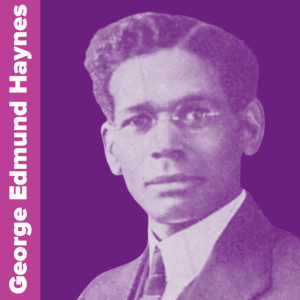 George Edmund Haynes (1880-1960), co-founder and first Executive Director of the National Urban League, who established the Department of Social Sciences at Fisk University and created one of the first programs to train Black social workers.
Each of these individuals demonstrated deep courage in their willingness to fight for the protection and well-being of Black children, even in the face of systems and programs that ignored them and shut them out. As we think about the myriad ways the field has evolved since these leaders began their work, we know we are able to do what we do because of the foundation they laid.
We honor these oft-unsung heroes by renewing our commitment to being a voice for the diverse children and families we serve, fighting to ensure systems are designed to serve members of historically marginalized communities, and ensuring equity serves as a primary lens for our work as we continue to move forward.