table of contents
Each month, MSPCC offers 8-10 Zoom-based trainings to help foster families meet their annual 20-hour training requirements. These trainings cover a wide range of issues facing foster, adoptive and kinship families.
In honor of SIDS Awareness Month, we’re sharing insights from MSPCC’s Assistant Program Director of Adoption, Alyssa Golner (LSWA, MBA), who conducts regular safe sleep trainings for foster families. Alyssa has worked at MSPCC since January of 2024, has eight years of experience working in the human and social services field, and is a Safe Sleep Certified Trainer and Safe Sleep Ambassador through Cribs for Kids.

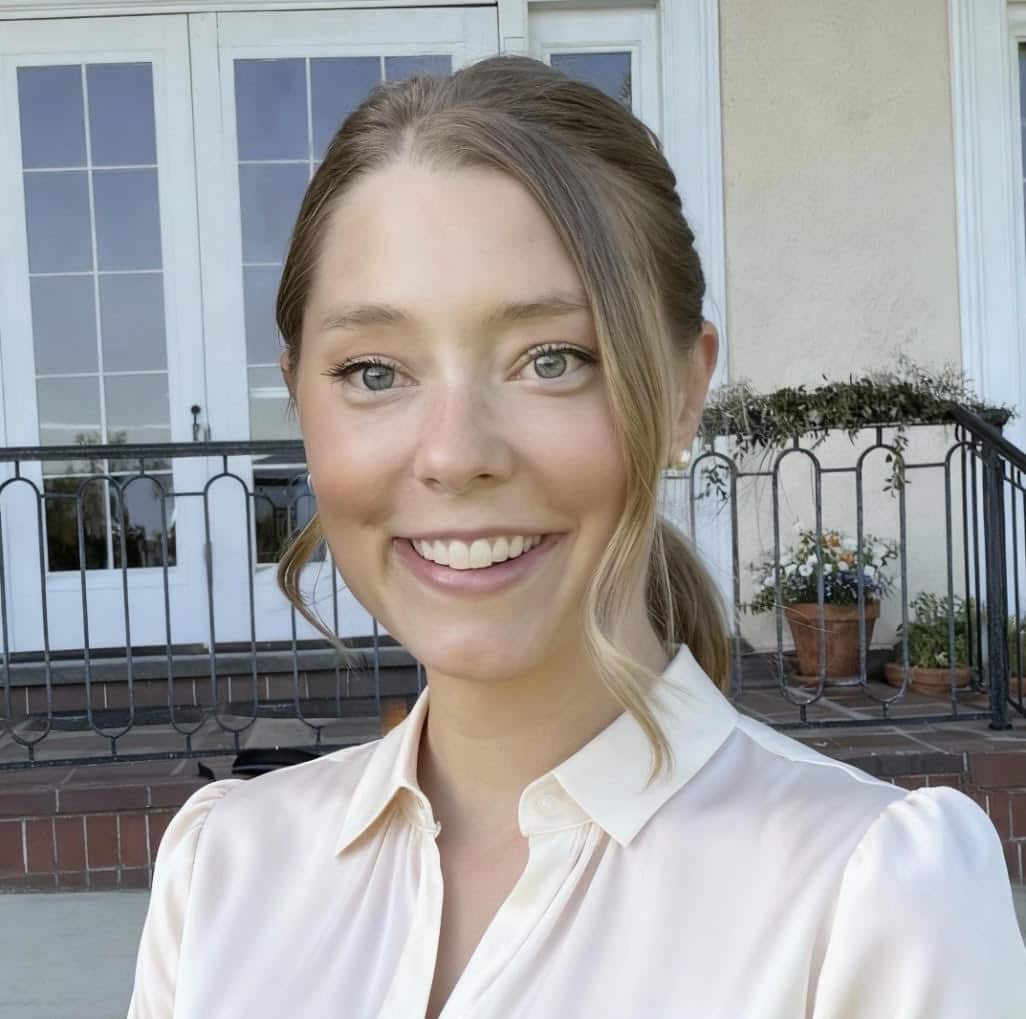
Alyssa Golner, Assistant Program Director of Adoption
What does your role at MSPCC entail?
My role centers largely around writing adoption assessments and reviewing those written by our contractors. At MSPCC, we conduct three main types of assessments as part of the adoption process. We provide assessments of children who are on track to be adopted, evaluating their strengths, needs, and history to ensure they go to a family that will be a good fit. We also conduct permanency assessments for current foster parents, including both unrelated and kinship foster parents who are hoping to adopt the child currently in their home. Finally, we do caregiver and training assessments for people who want to adopt but aren’t currently fostering and who may or may not have a specific child in mind to adopt.
What brought you to the infancy safe sleep training space?
When I learned that there had never been a requirement for infant safe sleep training for foster parents or caregivers through the Department of Children and Families, I realized there was a need for more education. I wanted to advocate for kids and provide education to foster parents and other caregivers, so in 2024, I became a Safe Sleep Ambassador through Cribs for Kids. I’m a parent to two young boys, and I just can’t imagine anybody caring for a child, especially an infant, without proper knowledge around things like sleep safety.
What do infant sleep safety trainings look like?
I conduct Zoom trainings every other month in the evenings, which makes it easier for working parents to attend, and I try to make them as interactive as possible. I use PowerPoint slides for visual learners, and then of course I facilitate and explain for those who process in a more auditory way. I also show a lot of videos and try to make all of the information I share as clear and factual as possible.
People often receive knowledge from their parents or grandparents, but some of that knowledge is outdated. For example, we know now that infants’ cribs should be completely empty (with no bumpers, blankets, or stuffed animals at all) but people sometimes think, “It’s fine! It’s cute! The babies love their blankets and stuffed animals!” without knowing the dangers those things can cause. So when I provide information, I also provide reasoning behind it, and I think doing so has been helpful in terms of getting caregivers on board with these practices.
I often say, “People don’t know what they don’t know,” so making them aware of these trainings and practices is crucial because infant safe sleep practices have helped save so many lives. Since the Back to Sleep Campaign in the 1990s, approximately 330,000 babies’ lives have been saved. One in five infant deaths occur while the infant is in someone else’s care, so it’s really important that anyone who’s caring for a baby has awareness around safe sleep.
Have you run into any unexpected challenges in your work? How have you handled them?
I have my Masters in Business Administration and Marketing. Marketing understandably has a huge impact on parents these days, and in thinking about how sleep products are marketed to new parents, I’ve realized it’s very easy for people to be drawn in by words and phrases like, “cozy blankets” or “in-bed sleepers.” Many of these products are marketed as safe even if they’re not, and so a consumer – especially a sleep-deprived parent who will do anything to make sure their baby is sleeping well – might think, “This is fine to use.” Unfortunately, some of those items can cause infant death.
How did you transition from getting an MBA in marketing to your current role?
I have always worked in social-work-related fields. Prior to working at MSPCC, I worked for an intensive foster care agency as a recruiter manager, a role in which I oversaw social workers who were licensing potential foster homes. We spent a lot of time thinking about what would draw interest in our communities and how we could market to potential foster parents, and that experience led me to want to understand more about marketing and how I could use it in a social work context (in this case, by raising awareness).
How do you think the safe sleep trainings have been beneficial?
I actually did an adoption assessment on someone who attended one of my trainings, and she told me, “I hadn’t known about a lot of the practices that you shared.” She has cared for so many different kids, so it was really nice to hear that she was able to learn from the training. I also get a lot of comments in the chat from people saying “I can’t believe how much I’ve learned; this is so helpful. Thank you so much for all of this information.”
Many of us have heard things like, “You slept on your stomach and had stuffed animals and bumpers in your crib and you turned out fine.” When I hear that, I tell the person that’s true, but we’re lucky to be fine. When families were told to put babies on their stomachs to sleep, nearly 10,000 infants in the United States died of sleep-related causes every year. In the 1990s, there was a significant public campaign to inform parents that babies should sleep on their backs, and since then, that number has dropped to roughly 3,500 deaths per year. Of course, that’s still too many, but the decrease has been so significant.
I think it’s so important to keep spreading awareness, and at the end of each training, I talk about how it’s our job as people who have now been educated to spread the message on infant safe sleep to others. The nice thing about education and training is that nobody can take that knowledge away from you, so once you have that information, hopefully you have it forever. That’s really what I love about training people: you’re providing something to them that could be beneficial for a lifetime.
Infant Sleep Safety Tips
- Always place babies on their backs when putting them to sleep.
- Use a firm, flat sleep surface.
- Keep cribs clear: babies should never have stuffed animals, blankets, pillows, or other soft items in their cribs.